Most people think about security at the front door, but in busy buildings the bigger question is often what happens after someone gets inside. Offices, schools, clinics and shared workspaces all have areas that shouldn’t be open to everyone at all hours. Server cupboards, records rooms, staff-only corridors and delivery entrances may sit only a few steps from public spaces, yet they carry very different risks.
That reflects a wider change in how premises are managed. Good building management is no longer only about keeping intruders out. It also means setting sensible internal boundaries without making daily routines awkward. A modern workplace has visitors, contractors, cleaners, hybrid staff and out-of-hours deliveries moving through it. Treating every door the same way doesn’t match how buildings are actually used.
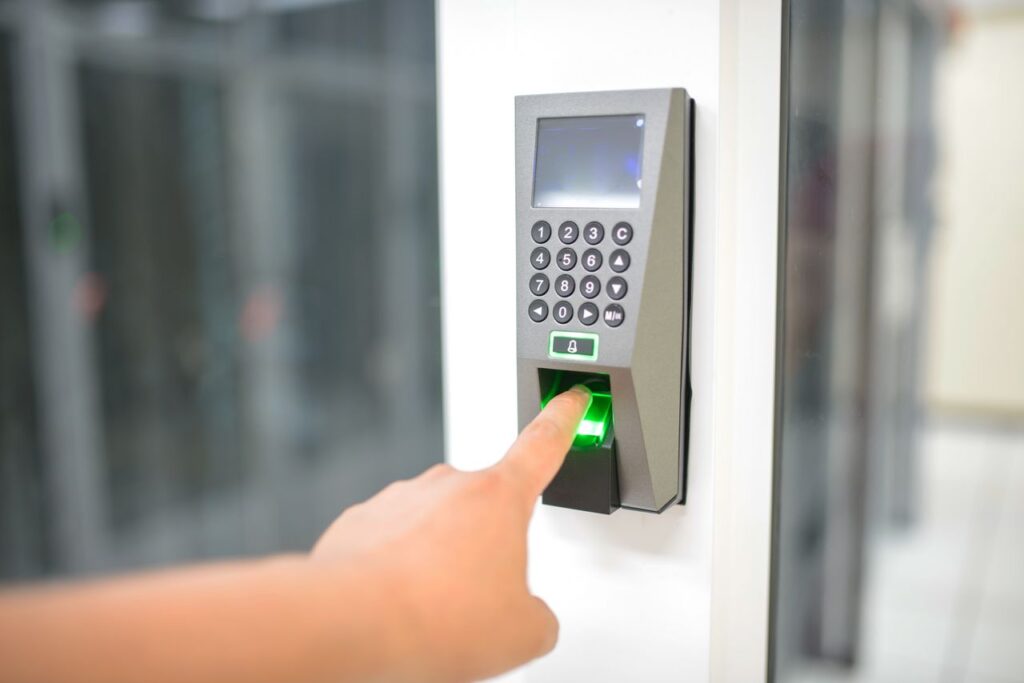
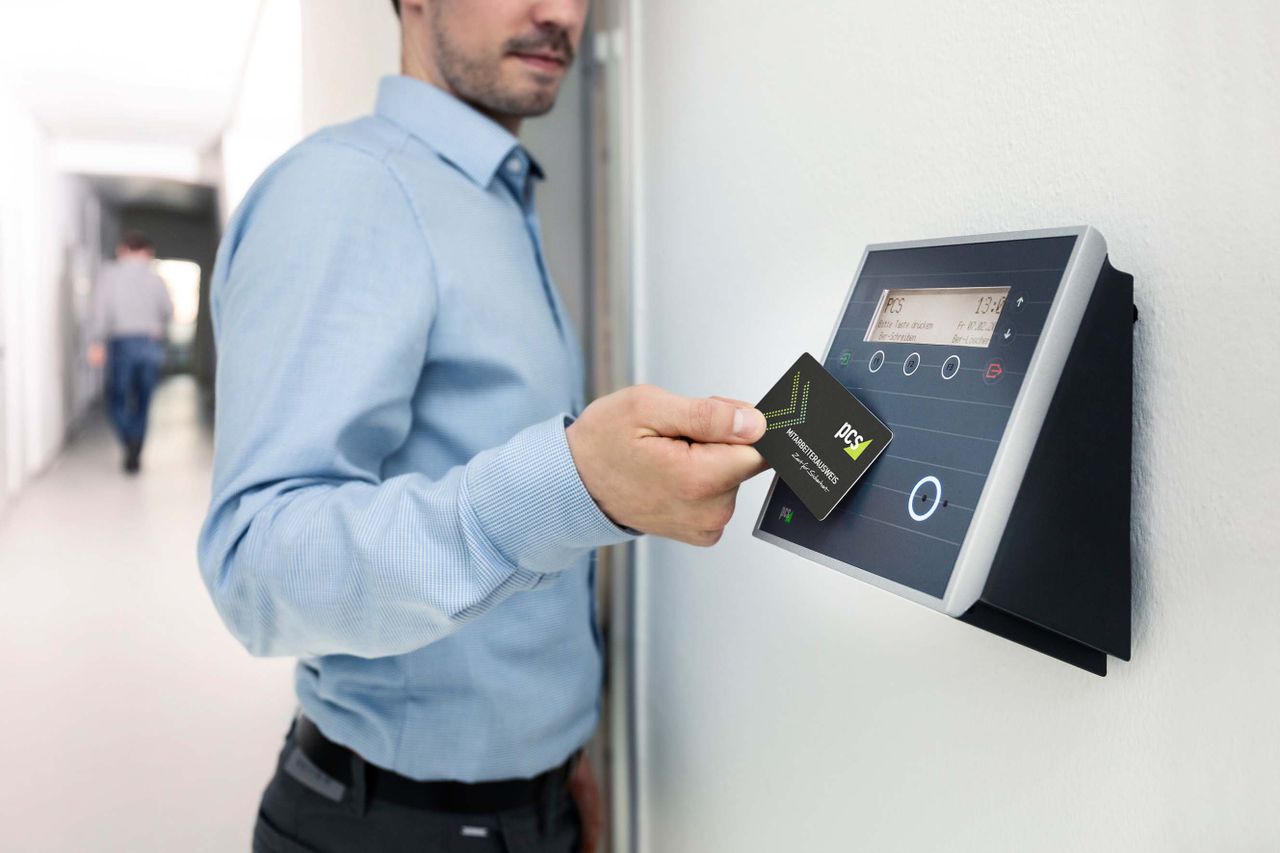
That is why conversations around door access controllers matter beyond the security trade. These systems sit in the background of ordinary routines, deciding who can pass through particular points and when. In practice, that can mean fewer lost keys, less reliance on propped-open doors and a clearer record when something goes wrong. It is a practical response to the fact that access is rarely all or nothing.
Small decisions, bigger consequences
Often, the most useful improvements are not dramatic:
- restricting archive storage to a small team;
- keeping plant rooms separate from general staff areas;
- allowing early access for cleaners without opening the whole site.
None of this is glamorous, but it reflects a more realistic understanding of how places function. Security works best when it supports the building’s day-to-day rhythm rather than fighting it. In that sense, the controlled door says quite a lot about the modern built environment. Access is no longer just about entry, but about judgement.
Photo by Susanne Plank via pexels.