
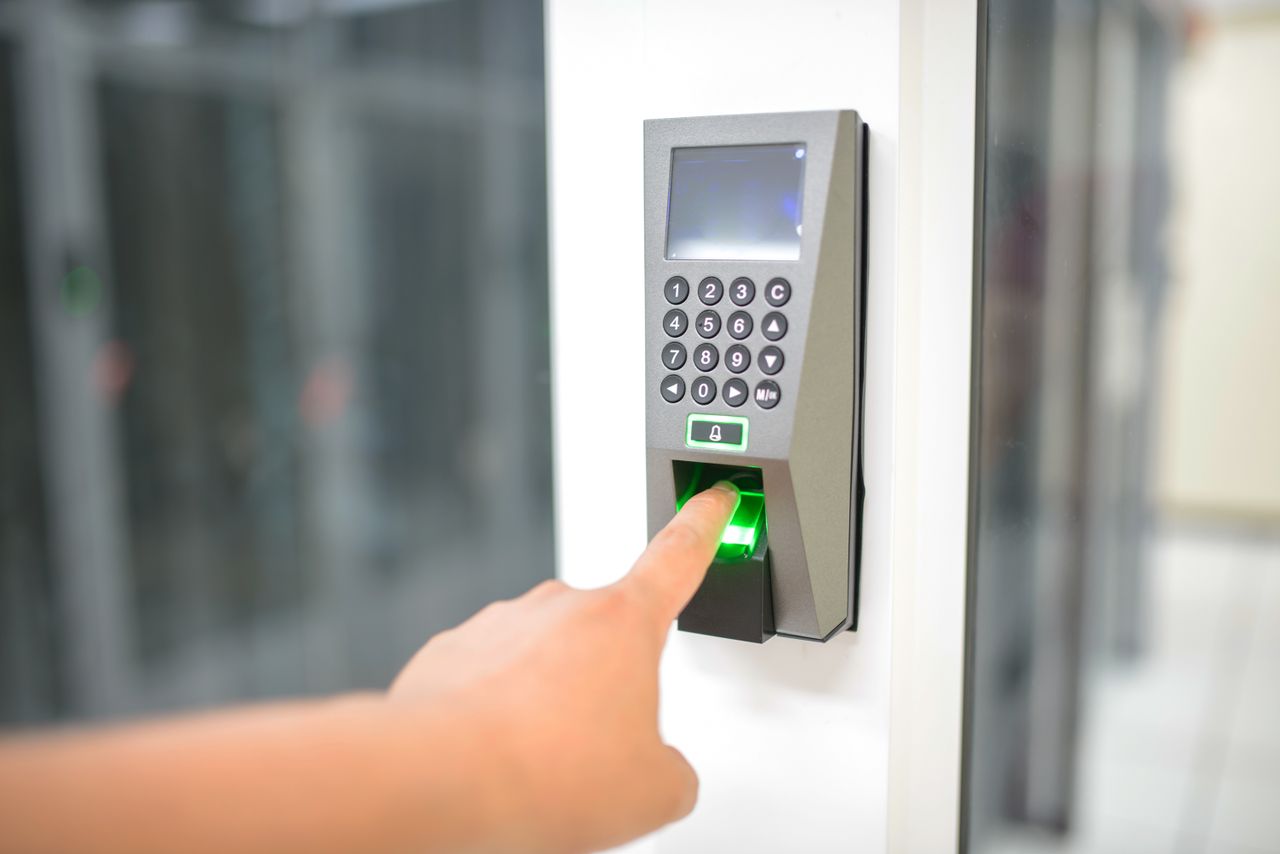
Most people only notice building security when it fails. A door that won’t unlock, a delivery driver stuck in reception, or a meeting room left open long after everyone has gone home can turn a minor annoyance into an operational problem. Behind those everyday moments is a piece of hardware few people outside facilities or security teams think about: the controller that decides who gets through a door, and when.
That matters because modern buildings no longer serve one simple, predictable purpose. Offices are shared, warehouses run staggered shifts, schools monitor visitors more closely, and mixed-use sites often need different rules in different parts of the same property. In practice, a door access controller turns those rules into something workable at the door itself. It links readers, locks and permissions, rather than serving as just another box on the wall.
Small device, big effect
When people talk about security technology, attention usually goes to cards, fobs, readers or apps. Yet the controller is often the part that determines how reliable the whole setup feels from day to day. A well-planned system can help a site:
- separate staff, visitor and delivery access sensibly;
- keep specific rooms restricted without disrupting the rest of the building;
- respond more quickly when access rights need to change.
That is why this part of building management deserves more attention than it gets. Door controllers are not glamorous, and they rarely feature in glossy conversations about “smart” workplaces. In practice, they are where policy meets reality. If a building needs to be secure and usable, that balance is often decided at the door.
Featured image by panumas nikhomkhai via pexels.