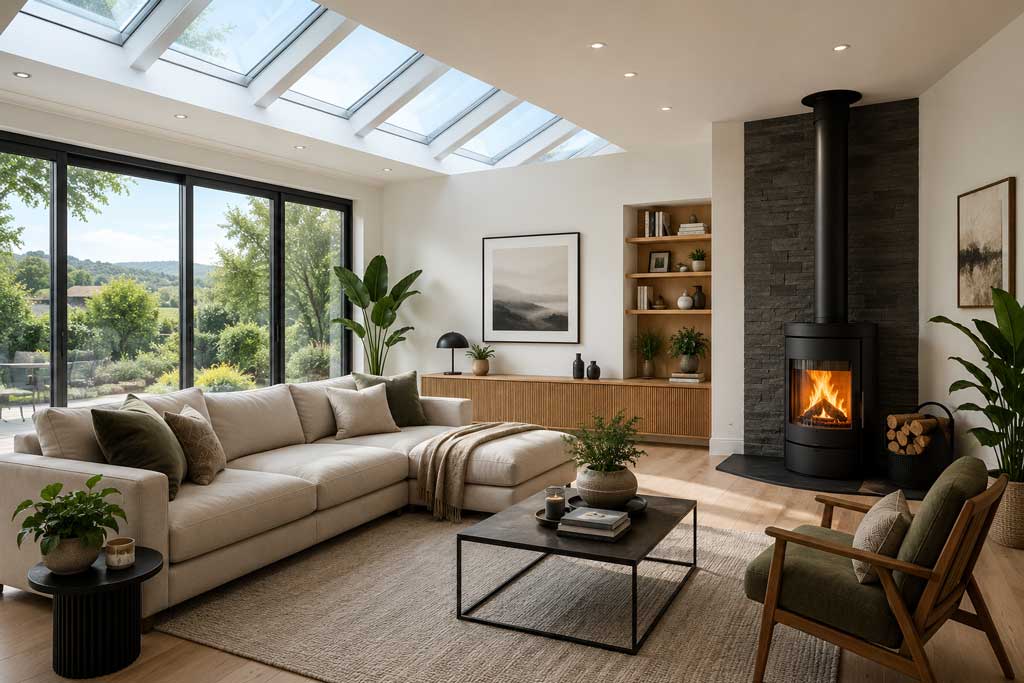
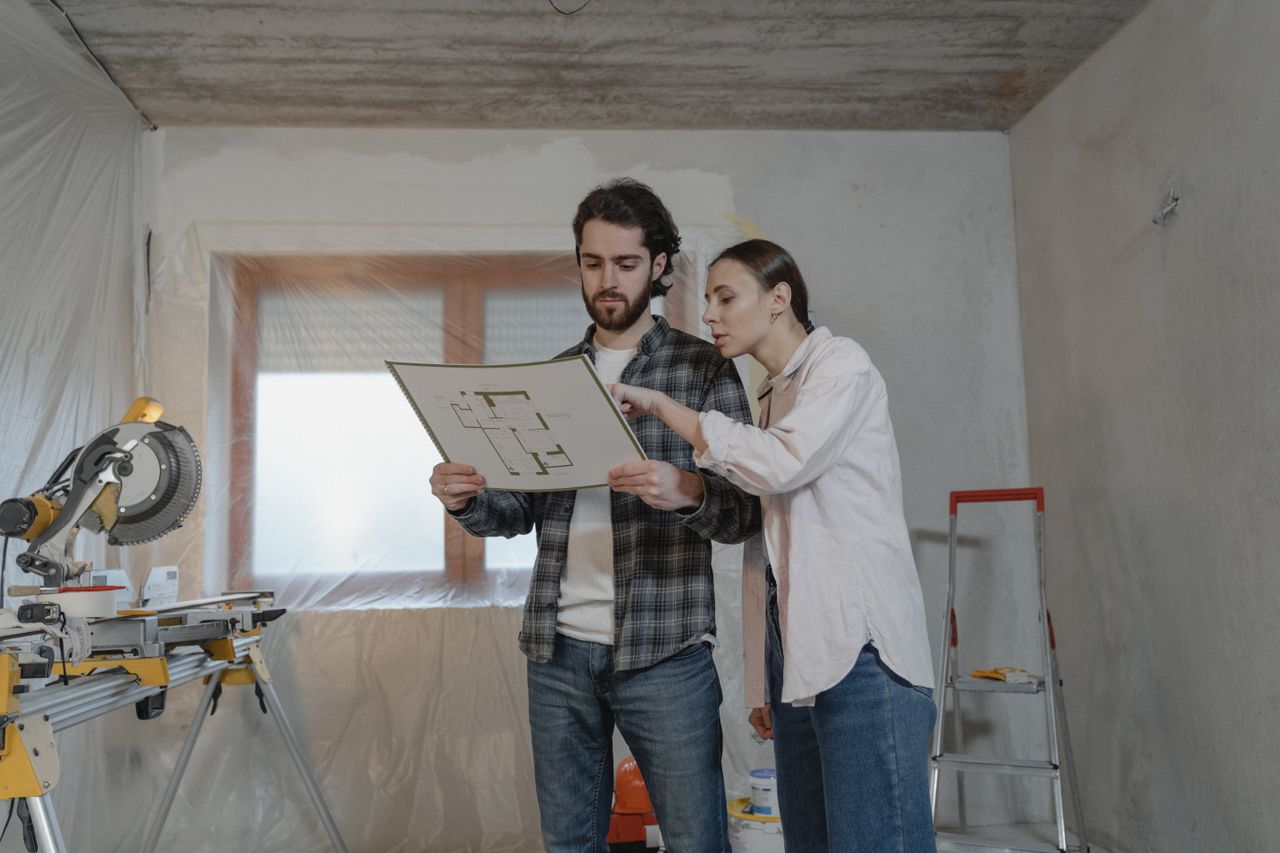
A home renovation is an opportunity to rethink how a property looks, feels and functions. Whether you’re updating a tired interior, modernising an older house or making changes to accommodate a growing family, careful planning can make a significant difference to the finished result. Rather than simply following current trends, it’s worth considering how each improvement will enhance everyday living and add lasting value to your home.
Start With a Clear Renovation Plan
Before picking out paint colours or browsing furniture, think about what you actually want to achieve. Perhaps the kitchen feels cramped, the bathroom needs modernising or the layout no longer suits your lifestyle. Making a list of priorities will help you establish where to spend your budget and which projects can wait.
It’s also sensible to consider how different improvements might work together. For example, replacing flooring throughout the ground floor may be more practical while other building work is taking place, rather than treating each room as a separate project.
Set a Realistic Budget
Home improvements can quickly become expensive if costs aren’t properly managed. Alongside materials and labour, remember to account for professional fees, waste removal, fixtures, fittings and any unexpected repairs uncovered during the renovation.
Older properties, in particular, can present surprises once walls, floors or ceilings are opened up. Setting aside a contingency fund gives you some financial breathing room if additional work becomes necessary.
Getting several quotations from reputable tradespeople is another useful step. Compare what’s included rather than simply choosing the lowest price, as the quality of materials and workmanship can have a significant impact on the finished result.
Choose Improvements That Work for Your Lifestyle
A successful renovation should make your home more enjoyable to live in. Open-plan layouts can create a greater sense of space, while clever storage solutions help keep smaller rooms organised. Improved insulation, modern heating systems and energy-efficient windows can also make a property more comfortable while potentially reducing household energy costs.
Don’t overlook the finishing touches, either. Lighting, flooring, colour schemes and carefully chosen materials all contribute to the atmosphere of a room. Even relatively straightforward changes can transform an interior when they’re planned thoughtfully.
Think About Long-Term Property Value
Although not every renovation needs to be an investment project, it’s worth considering how improvements might appeal to future buyers. Modern kitchens and bathrooms, additional storage, well-maintained outdoor spaces and improved energy efficiency are all features that can make a property more attractive.
Ultimately, the best renovations strike a balance between personal taste, practicality and quality. With a clear plan and sensible budget, you can create a home that better reflects your needs while providing enjoyment for years to come.
Photo by Tima Miroshnichenko via pexels.