Taking on a DIY roofing project can be a cost-effective way to improve your home, especially for outbuildings, workshops, or extensions. While full roof replacements often require professional expertise, many homeowners are now exploring options like cladding systems to enhance durability and weather resistance. Understanding where industrial techniques overlap with residential applications is key, particularly when considering elements such as industrial cladding installation for larger or more robust structures.
Understanding Roofing Costs for DIY Projects
Before starting any roofing project, it is essential to break down the likely costs. Materials will typically account for the largest portion of your budget, followed by tools and any specialist equipment you may need to hire.
Common cost considerations include:
- Roofing materials such as tiles, sheets, or cladding panels
- Timber battens or structural supports
- Fixings, sealants, and insulation
- Scaffold hire or access equipment
- Waste removal or skip hire
For smaller projects like sheds or garden offices, costs can start from a few hundred pounds. However, more substantial installations—especially those involving metal sheeting or cladding—can quickly run into the thousands. Choosing durable materials upfront can reduce long-term maintenance costs.
Choosing the Right Roofing Materials
Material selection will significantly impact both cost and performance. Traditional tiles remain popular for residential homes, but sheet materials and cladding systems are increasingly used for modern builds and outbuildings.
Popular DIY-friendly options include:
- Corrugated metal sheets for durability and ease of installation
- Polycarbonate sheets for lightweight, translucent roofing
- Bitumen sheets for budget-friendly weatherproofing
- Composite panels for improved insulation and longevity
For those working on garages, workshops, or agricultural-style buildings, approaches similar to industrial cladding installation may be worth considering. These systems are designed for strength, weather resistance, and efficiency, making them a practical option for larger-scale DIY builds.
Finding Reliable Suppliers in the UK
Sourcing quality materials is just as important as the installation itself. Many UK suppliers cater specifically to DIYers, offering both materials and guidance.
Look for suppliers that provide:
- Clear product specifications and installation guides
- Delivery options for large or bulky materials
- Technical support or customer service advice
- Bulk discounts for larger projects
Builders’ merchants such as Travis Perkins, Jewson, and Wickes are reliable starting points. Specialist roofing suppliers may offer a wider range of cladding systems and metal sheeting, often at more competitive prices for larger orders.
Step-by-Step Guide to DIY Roofing Installation
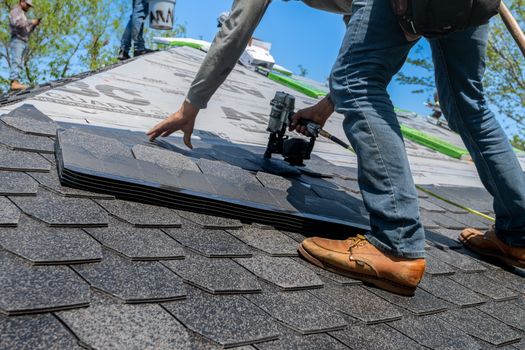
While each roofing type has its own method, most DIY installations follow a similar process. Preparation is crucial to ensure both safety and longevity.
- Prepare the roof structure by ensuring it is level, secure, and able to support the chosen material.
- Install breathable membrane or underlay to improve waterproofing.
- Fix battens or supports according to material specifications.
- Lay roofing sheets, tiles, or panels carefully, ensuring correct overlap.
- Secure all materials using appropriate fixings and sealants.
- Finish with ridge pieces, flashing, and edge trims to prevent water ingress.
Always follow manufacturer guidelines, especially when working with heavier materials or cladding systems. Safety should remain a priority, particularly when working at height.
Common Mistakes to Avoid
DIY roofing can be rewarding, but mistakes can lead to costly repairs. Some of the most common issues include poor alignment, inadequate sealing, and incorrect fixings.
Avoid these pitfalls by:
- Measuring carefully before cutting materials
- Allowing for expansion in metal sheets
- Using the correct fixings for your chosen material
- Ensuring proper ventilation to prevent condensation
Rushing the job often leads to uneven finishes or leaks, so taking your time is essential.
When to Call in the Professionals
While many smaller roofing projects are manageable, there are situations where professional help is the safer option. Complex roof shapes, structural concerns, or large-scale cladding installations often require specialist skills and equipment.
If your project involves significant structural work or resembles commercial-scale systems, consulting professionals experienced in industrial cladding installation can help ensure compliance, safety, and long-term performance.
Featured image credit: Ryan Stephens via pexels