
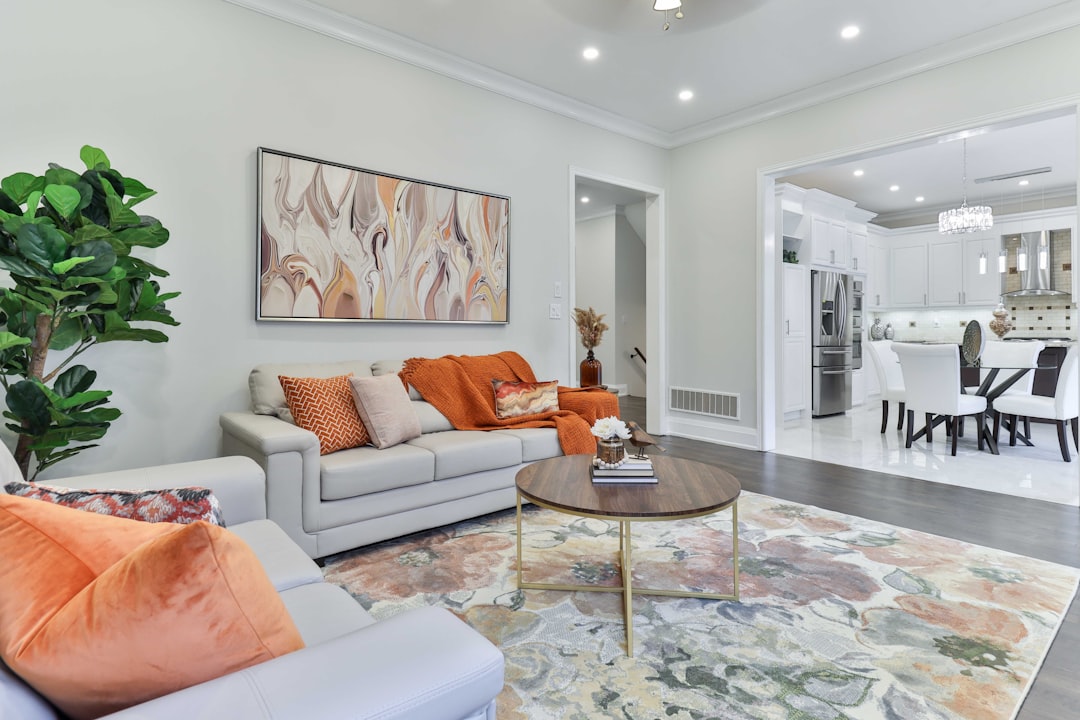
There is a common assumption that interior design happens at the end of a project — once the walls are up and the building work is finished, you bring in colour, furniture, and accessories to make the space feel finished. In reality, the interiors that genuinely work are shaped long before any decorating begins, while the layout, the structure, and the services are still being decided.
Design Is Not the Last Step
The reason is simple: the things that make a room feel right — how light moves through it, where you place a sofa, whether there is anywhere to put anything away — are determined by decisions made during the build. Trying to impose good design on a space that was not planned for it is far harder, and far more compromised, than designing the space well from the outset.
Light, Flow, and How a Space Is Used
Great interiors begin with an honest understanding of how a space will actually be lived in. A kitchen that looks beautiful but forces you to walk around an island to reach the bin is a design that has prioritised appearance over use. The best design considers the daily choreography of a home — where people gather, how they move between rooms, where the natural light falls at different times of day.
These considerations are fundamentally tied to the building work. The position of a window, the width of a doorway, the height of a ceiling, the placement of sockets and radiators — all of these shape how a room can be used and how it feels. When design and construction are considered together, these decisions reinforce each other rather than fighting.
The Cost of Designing Too Late
When interior design is treated as an afterthought, the result is usually a series of expensive compromises. The lighting plan does not match how the room is actually used, so lamps are scattered to fill the gaps. There is nowhere sensible for storage, so freestanding furniture has to do a job built-in joinery should have done. The proportions feel slightly off, but by then the walls are fixed.
Each of these compromises costs money to work around and rarely produces as good a result as planning properly would have. Designing the interior in step with the build means the lighting, storage, and proportions are right from the start — which is almost always cheaper, as well as better, than retrofitting solutions later.
Materials and Finishes That Last
Interior design is not only about how a home looks on completion, but how it ages. Materials and finishes chosen purely for their immediate appearance often disappoint over time, especially in the parts of a home that take daily wear. A considered approach balances how something looks with how it will perform in real life — in a busy family kitchen, a hard-working hallway, or a bathroom that needs to cope with moisture.
This is another reason design benefits from being close to the build. The people constructing a home understand how materials behave, where wear concentrates, and which finishes will still look good in ten years. Bringing that knowledge into design decisions produces interiors that are not just attractive on handover day, but durable and easy to live with for the long term.
Bringing It All Together
The most satisfying homes are the ones where the architecture, the building work, and the interior design all feel of a piece — as though they were conceived together, because they were. That coherence is hard to achieve when design is bolted on at the end, and almost effortless when it is part of the thinking from the beginning.
At Concept 73 Development, we approach our projects across Surrey, Guildford and Esher with the finished interior in mind from day one. By considering design and construction together, we help our clients end up with homes that not only look the part but genuinely work for the way they live. If you are planning a new build, extension or refurbishment, we would welcome the conversation.