Carpentry is rarely the thing people talk about when they describe their dream home. They mention the kitchen, the light, the open-plan space — not the joinery. Yet carpentry is woven through almost every part of a build, from the structural timber holding the roof up to the architraves framing each doorway. When it is done well, it is invisible. When it is done badly, it is impossible to ignore.
The Trade You Only Notice When It Goes Wrong
Sticking doors, uneven skirting, gaps where two pieces of timber should meet cleanly, a staircase that flexes underfoot — these are the everyday signs of carpentry that was rushed or poorly executed. They are also surprisingly difficult and costly to put right after the fact. Getting the carpentry right the first time is one of the clearest markers of a quality build.
Structural Carpentry: The Part You Never See
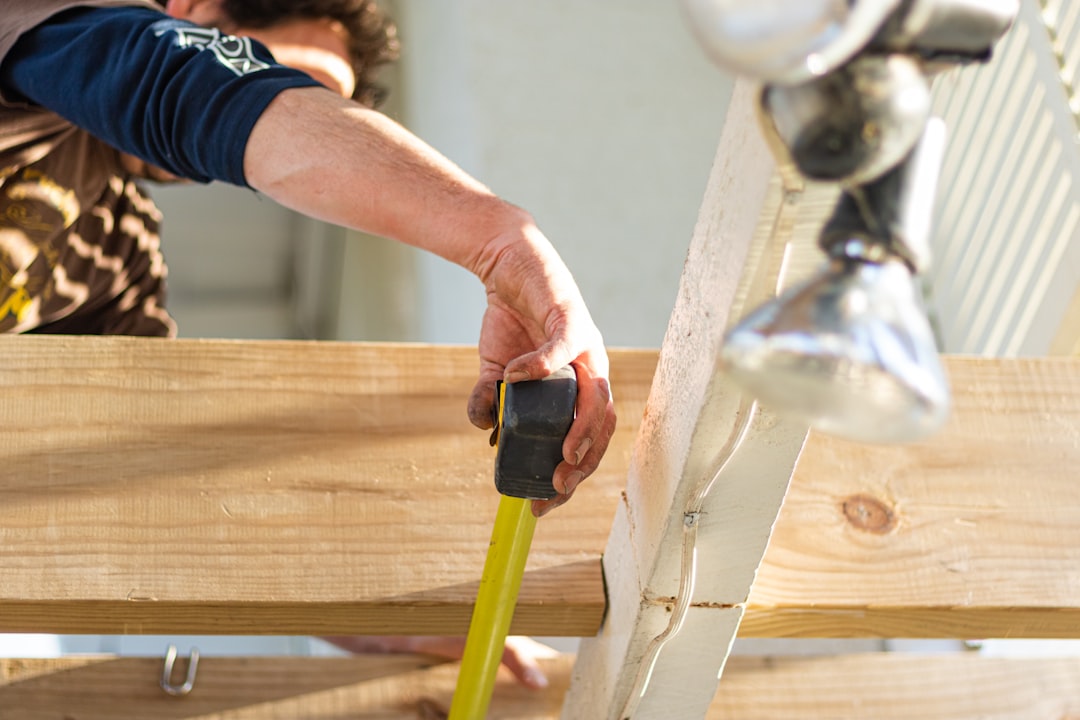
A great deal of the most important carpentry in a home is hidden behind walls and beneath floors. Floor joists, roof trusses, stud partitions, and load-bearing timberwork all have to be cut, fitted, and fixed with precision, because everything that follows depends on them. A floor that is not properly level, or a roof structure that is even slightly out, creates problems that ripple through every later stage of the build.
This is why structural carpentry rewards experience above almost anything else. A skilled carpenter reads the drawings, anticipates how the timber will behave over time, and builds in the tolerances that keep a structure sound for decades. It is unglamorous work, but it is the foundation on which the visible quality of a home rests.
Joinery: Where Craftsmanship Becomes Visible
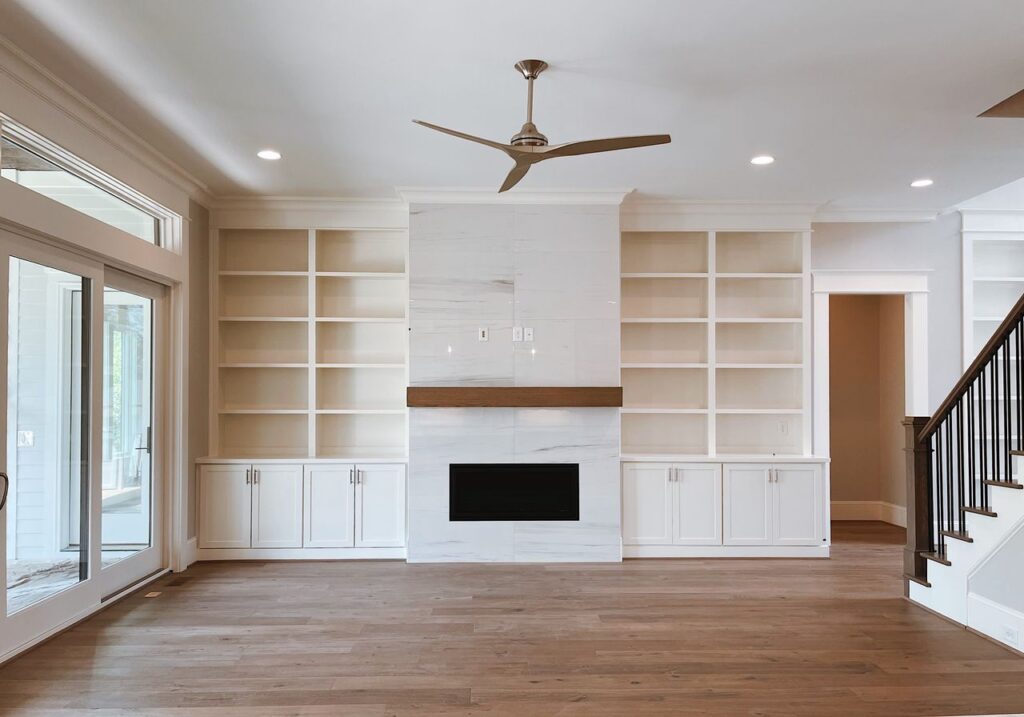
If structural carpentry is about strength, joinery is where craftsmanship becomes something you can see and touch. Doors, staircases, fitted wardrobes, window frames, and bespoke cabinetry are all joinery, and they are the details that give a home its sense of quality. A beautifully made staircase or a run of fitted joinery that sits flush and square transforms how a space feels.
Good joinery also lasts. Mass-produced fittings often look acceptable on day one but reveal their shortcomings within a few years as joints loosen and finishes wear. Well-made joinery, by contrast, is built to be used daily for a generation. The difference comes down to the skill of the maker and the quality of the materials — neither of which can be faked.
Bespoke Versus Off-the-Shelf
One of the most common decisions homeowners face is whether to use standard, off-the-shelf fittings or to commission bespoke joinery. Off-the-shelf has its place — it is quicker and cheaper, and for some spaces it is perfectly adequate. But standard sizes rarely fit period properties, awkward alcoves, or rooms with character, and forcing them in often looks like a compromise because it is one.
Bespoke carpentry solves the problems that off-the-shelf cannot. A carpenter can build storage into the exact dimensions of a space, match new work to existing features, and create pieces that feel as though they have always belonged. For the parts of a home you live with every day, that tailored fit is usually worth the investment.
Choosing a Carpenter You Can Trust
Because so much carpentry is hidden or only revealed over time, choosing the right person matters enormously. Look for demonstrable experience, a portfolio of completed work you can actually inspect, and a willingness to talk through how a job will be approached rather than simply quoting a price. Good carpenters are precise people, and that precision usually shows in how they communicate.
At Concept 73 Development, carpentry and joinery sit at the heart of how we build across Surrey, Guildford, Esher and the surrounding area. Whether it is the structural timberwork on a new build or bespoke joinery for an extension or refurbishment, we treat it as the craft it is. If you are planning a project and want it built properly, we would be glad to discuss it.